Something I’ve been thinking about is how “dense software” will change in the future.
What is “dense software”?
Not a technical term by any means but dense software, to me, is software that is, well, dense.
This is probably better defined by some examples:
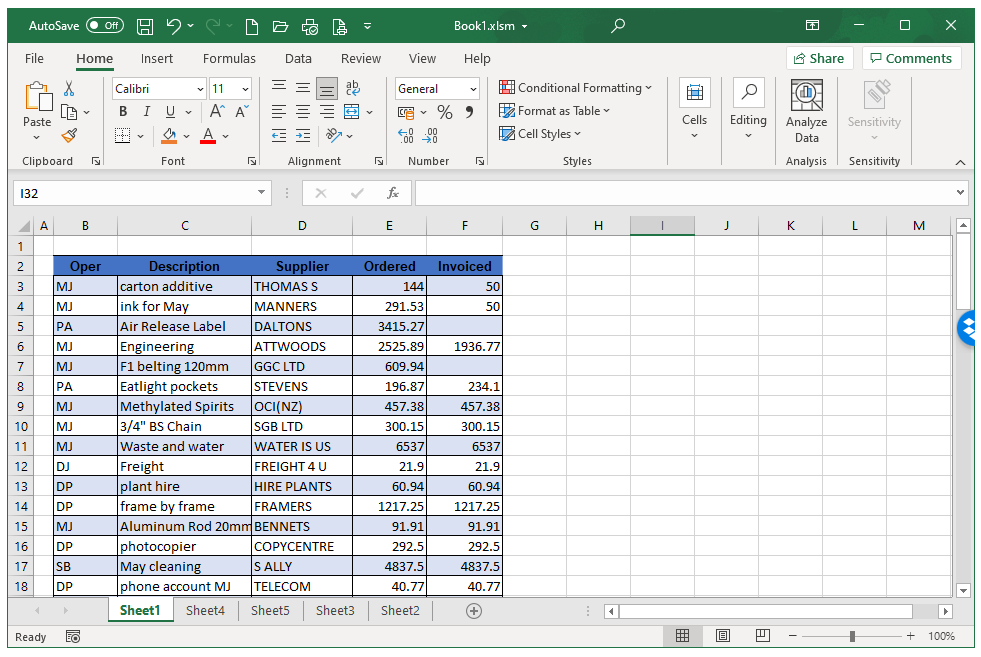
Microsoft Excel
As you have probably realized if you’ve ever used Excel on any level, it’s unimaginably complex. You can do simple addition all the way up to super involved financial modeling. No wonder it’s been the industry standard for as long as it has.
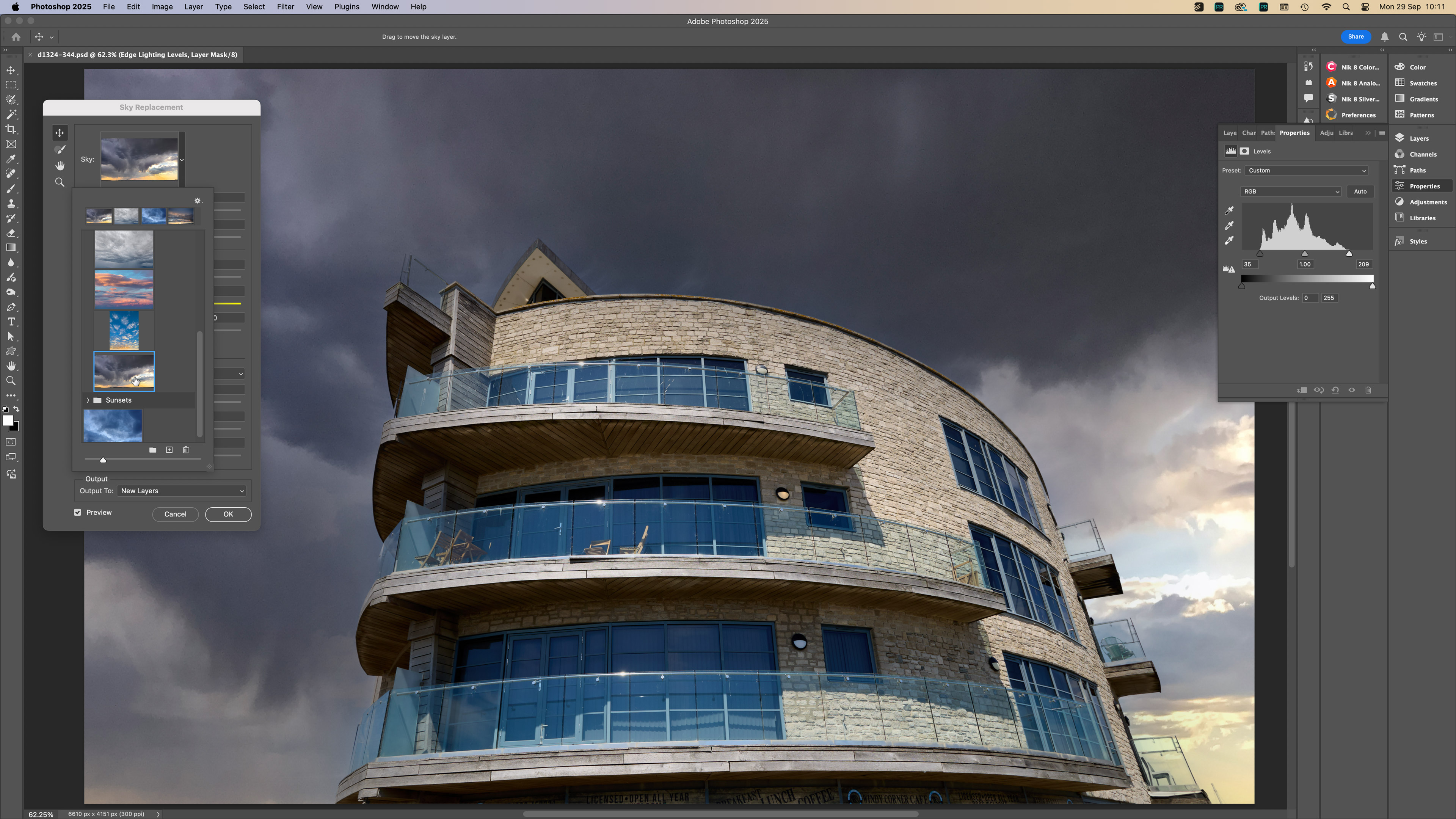
Adobe Photoshop
Photoshop is a similar story to Excel. You can do anything from logo design to complicated photo modifications.
HyTek Meet Manager
This software is one you might not have heard of before but it’s the one that got me thinking about this topic. I’ve been doing track and field timing with my grandfather and his company for most of highschool and now into college. It’s a much more technical challenge than you might think (multiple thousand FPS finish line cameras, etc) but that’s a topic for another article. HyTek is one of the industry standard software products for managing track, cross country, and swim meets. As you can see from the screenshots it, like Excel and Photoshop, is incredibly dense and packed full of features. Every situation or thing that might happen in a given meet is probably modeled somehow in HyTek.
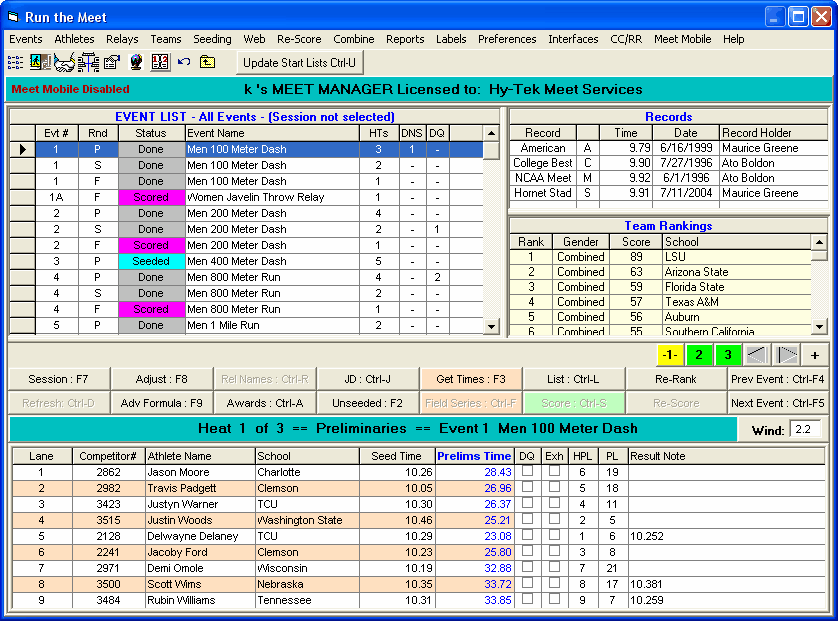
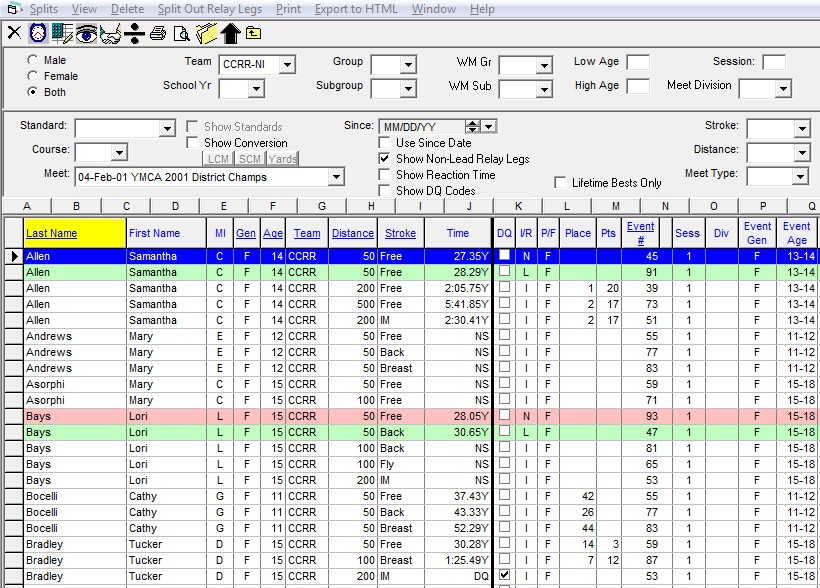
These software products are what I would call “dense”. They provide an insane amount of functionality and, for decades, have been the way things have gotten done in many industries.
Problems with dense software
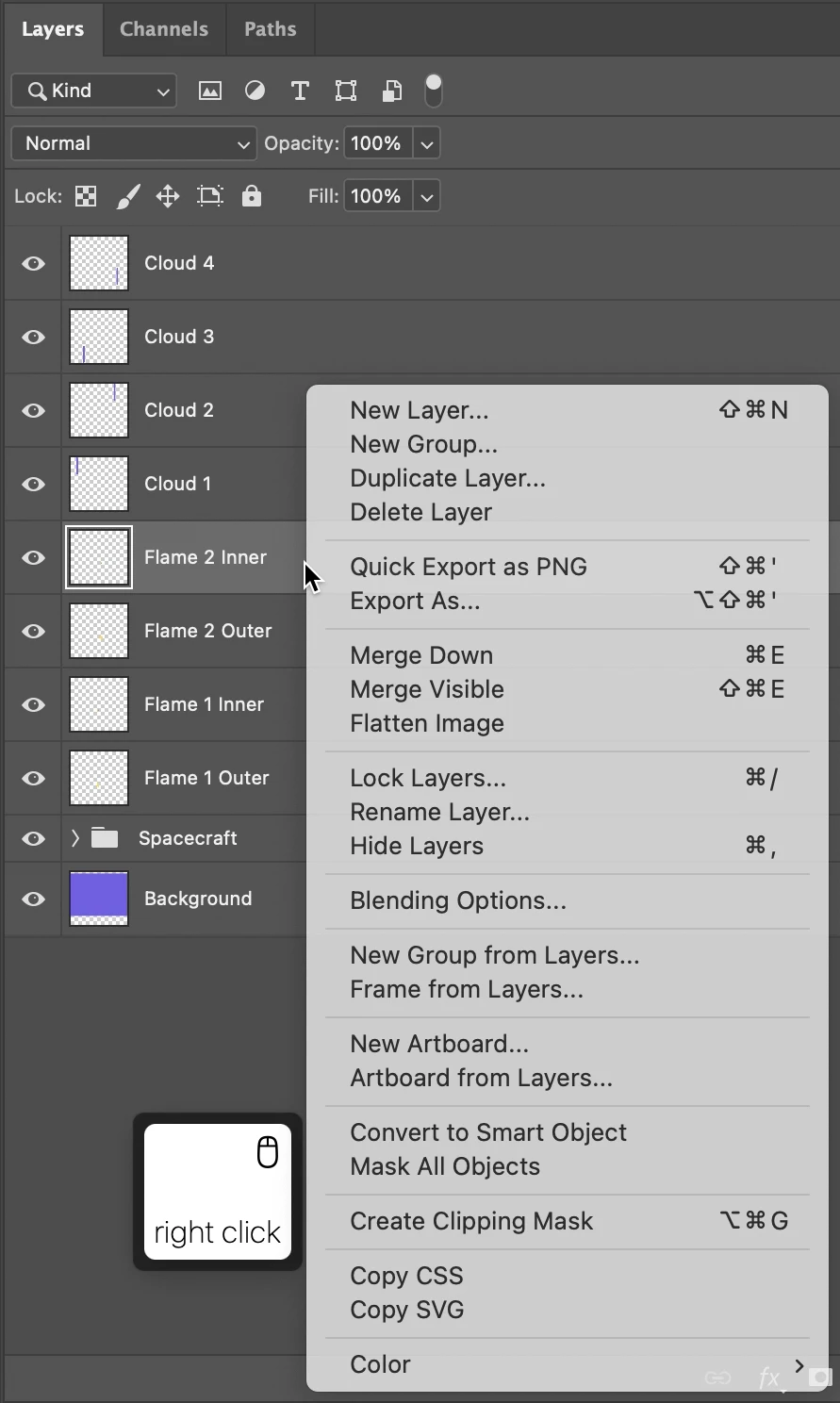
The menu problem
If you’ve used any of these products, you know just how many lists of options and context menus there are. Because they are so functionally dense, there’s no way to present all that functionality to a user at once, especially in products with a main view (canvas in Photoshop or spreadsheet in Excel). Spending large amounts of time in these products, particularly doing repeated tasks, will quickly become tedious.
The repetition problem
Something I’ve personally experienced in HyTek is the pain of repeated actions. There’s a lot of repeated dragging and dropping or rearranging lists for relay race entries or moving athletes around. As you can imagine being accurate with a mouse and being fast with a mouse is something only reserved for the best of esports players, so for the average user of HyTek it just adds time to any action.
Benefits of dense software
Shortcut heaven
Hytek, Excel, and Photoshop all have great support for keyboard shortcuts. If you know what you’re doing, you can fly around these products without really touching the mouse (besides some functionality).
Dynamic Environments
The worlds of finance, photography, and track all contain a wide variety of situations that you have to model or deal with in software. These products do a good job of handling pretty much everything you’d ever need to do into one product rather than needing to have multiple pieces of software. Track for example, you might want to do different seeding for a given event, or do relays and regular events, or show results on a stadium scoreboard, and so on. I named 3 things and there’s probably thousands of these little features built into HyTek and other pieces of dense software.
How dense software will change with AI
There’s much debate at the moment about whether or not all software will eventually converge into a chat box. A lot of SaaS products have started putting chat boxes on their main dashboard page (Linear, PostHog, etc).
The two main sides of this debate are the following:
AI is all you’ll need and language will be the best interface for these complicated software products.
Traditional UI will win, allowing users to more quickly command LLMs and their capabilities.
There’s merit to both of these arguments and I think the future will be a hybrid of the two. The problems we discussed above (menus and repetition) are great candidates for AI to solve. A feature nested super deep in a context menu in Photoshop might be much easier to access with 3 words in an LLM prompt.
A very interesting attempt at solving this problem is Vercel's Navigation Assistant in the dashboard. In the search bar, if the query you make isn't matched programmatically to say a deployment or some other clearly defined entity in the Vercel dashboard, the navigation assistant takes over and infers the best place to navigate you to based on natural language. Here's a simple example of me wanting to configure environment variables and it navigating me to the environment variables page:

Other tools like Linear have agents built in. Linear Agent is really useful since it's built right into Linear, so it already has access to everything you'd want to do within Linear itself. Sometimes it might be easier for you to say "mark EXAMPLE-123 as done" instead of clicking through multiple pages and doing it yourself via UI.
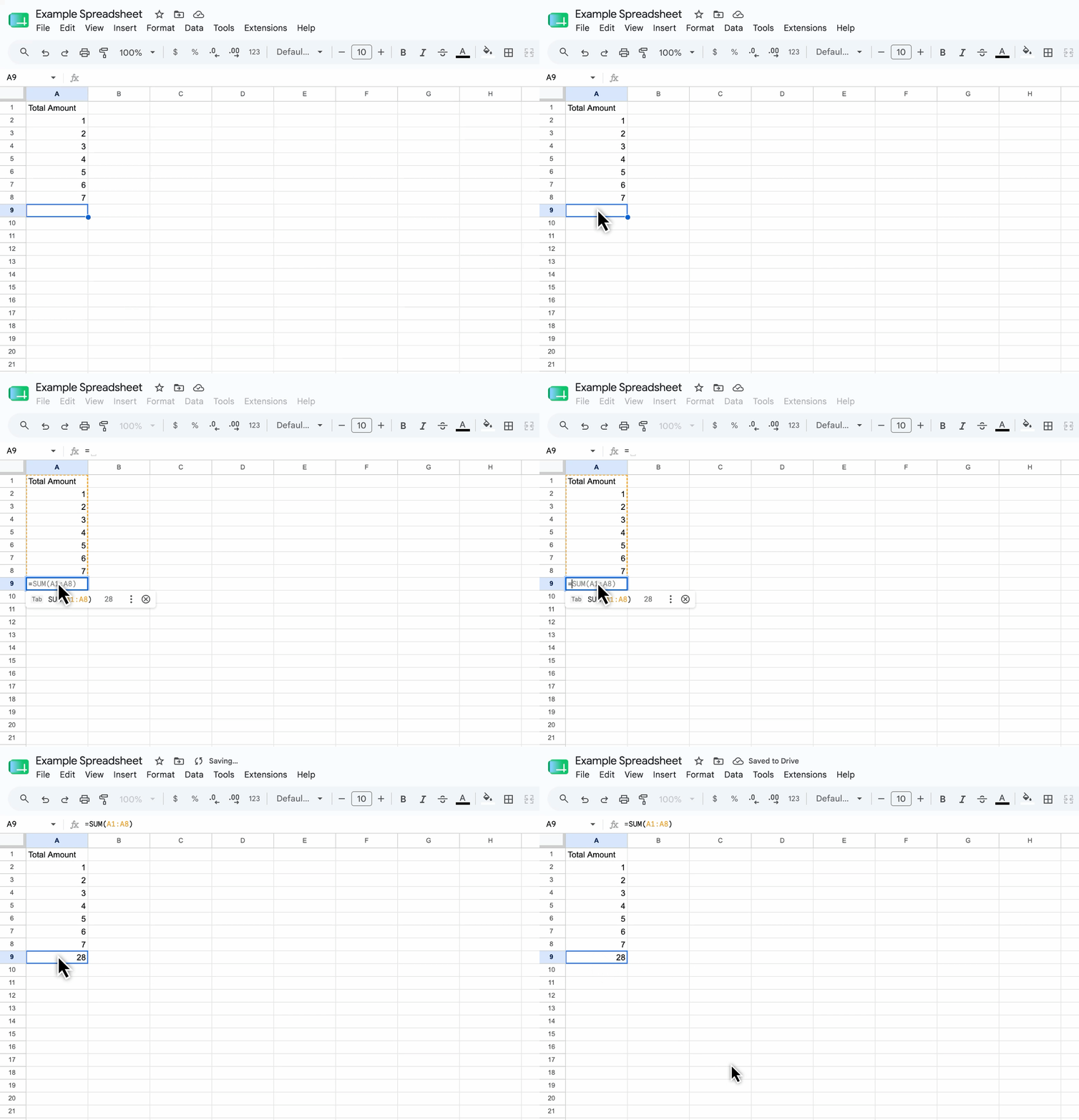
I think the biggest thing AI is going to revolutionize in dense software is the tedious and repetitive work. Excel and HyTek have a lot of this. Google Sheets, for example, has a really magical assistant that will infer an action you're trying to make. Here's a simple example where I just want to sum the rows of this column. Just by typing the equal sign (to start a formula expression), Sheets offers me the ability to just tab complete exactly what I want. Rather than typing out the entire expression, which admittedly in this simple case is pretty easy, I can just tab complete the expression (kind of like tab completions in any IDE). Some expressions can get pretty hefty so this assistant would only become more useful with more complex formulas.
HyTek unfortunately hasn't done anything in this space (nor do I think they will since it's a dinosaur piece of software) but it definitely could be really improved with simple task inference like Sheets.
It's fascinating to see each platform's attempt at incorporating these assistants and it highlights the fact that there definitely is no one-size-fits-all solution.
Overall, I think the world of dense software will be a fascinating space to watch in the coming years. Whether we converge on chat only interfaces or lean harder into UI remains to be seen, but I'm excited to see how it plays out.