This is the first article in what will hopefully be a series on some of my favorite train systems that I’ve experienced in the world.
DC
I was born and raised in Northern Virginia so this is definitely the system I’m most familiar with.
A Masterclass is Architecture
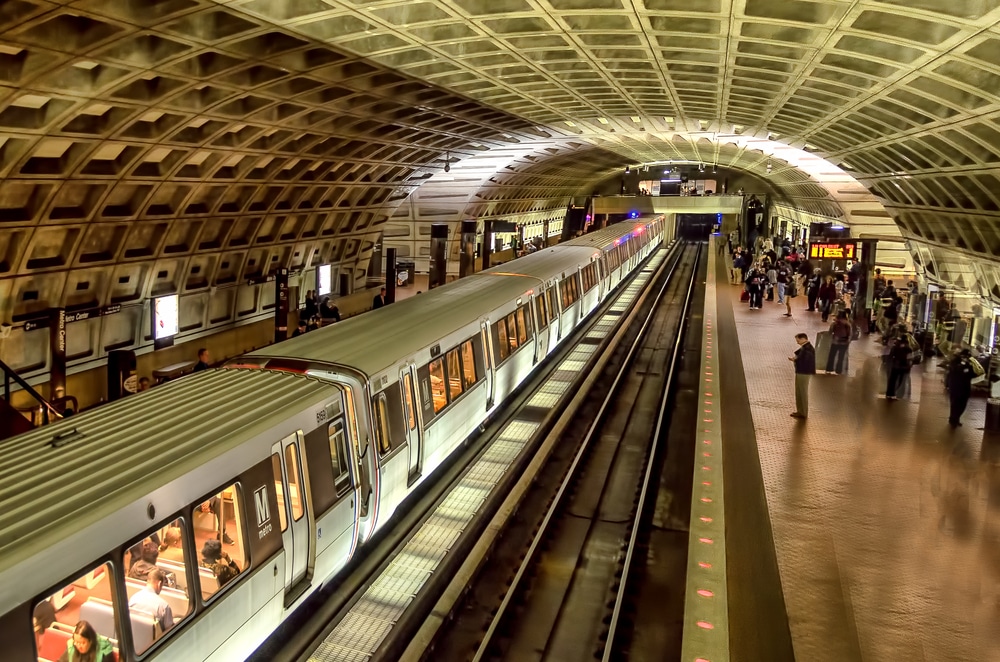
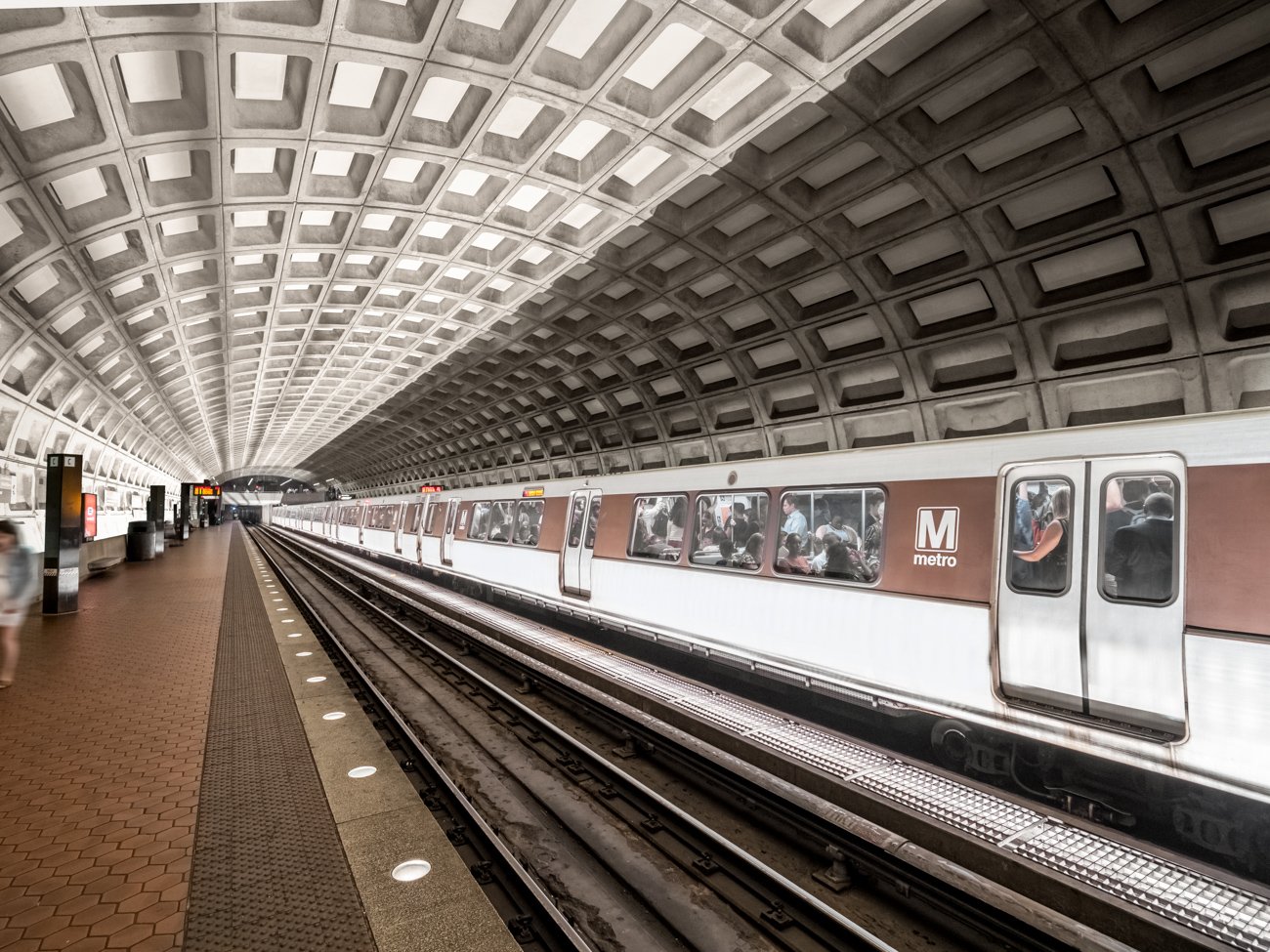
So much of the metro stations feel physically right. Lighting, brutalist concrete rotundas, above ground stations, and more are features of the metro’s super cool architecture, something that some other systems lack.
Concrete, lots of concrete
The metro’s architecture thrives on its use of simple materials, especially underground. Nothing tries to be overly flashy but instead achieves a level of simple elegance through the pursuit of pure function.

Platform lighting
A whole article could probably be written about the metro’s use of shadows and lighting. The platform/track lights, serve as the only lighting in many of the underground stations of the metro, illuminating the concrete dome above. The lights also serve as simple indicators as they flash when a train is approaching.
Entrances
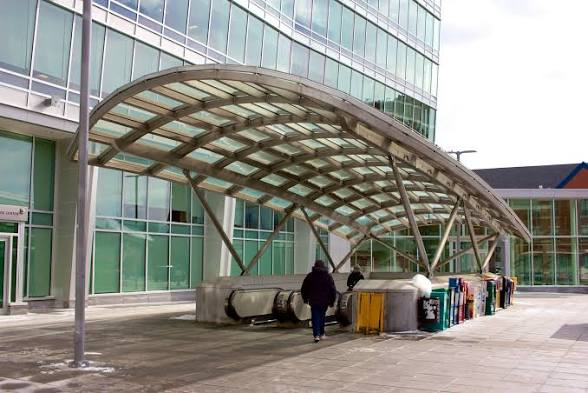
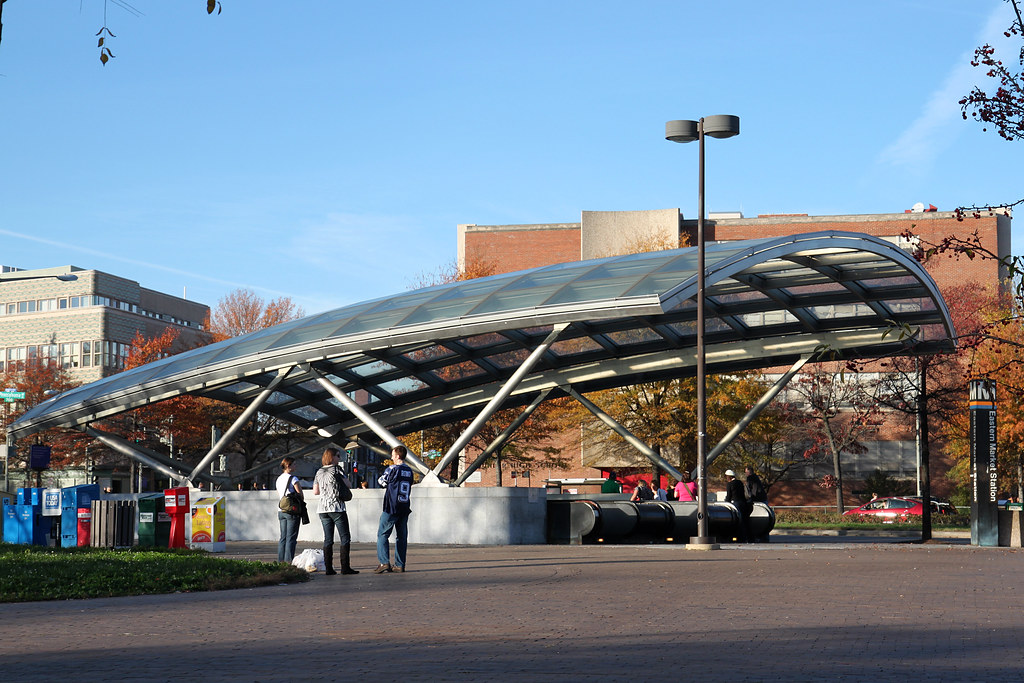
Some of the entrances for the Metro have a very cool glass awning style. Some stations also have very very very long escalators!
Design Language
One of the most recognizable parts of the DC metro is the signage and iconography.
Colors
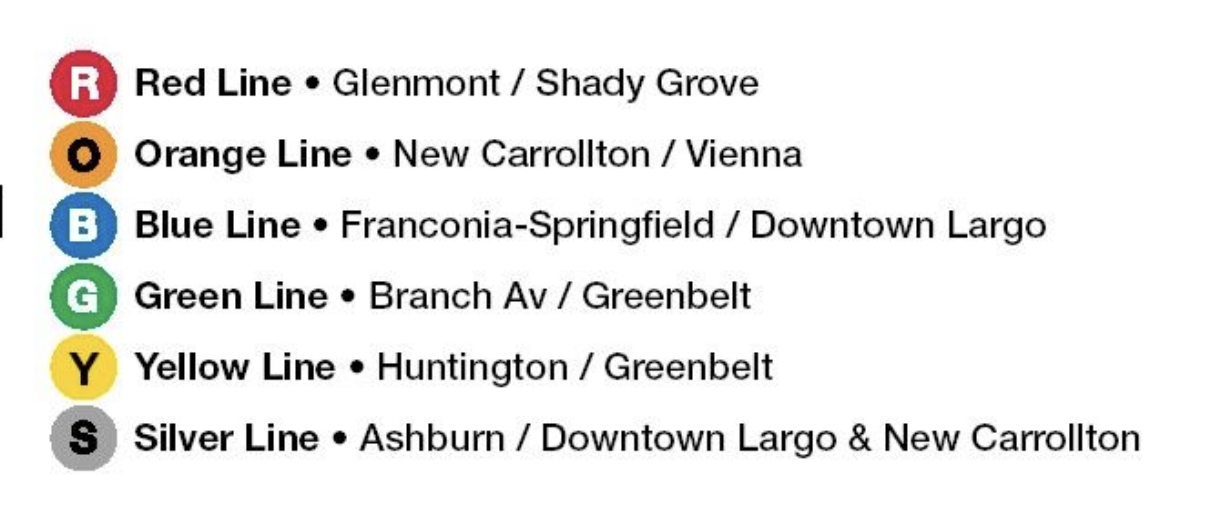
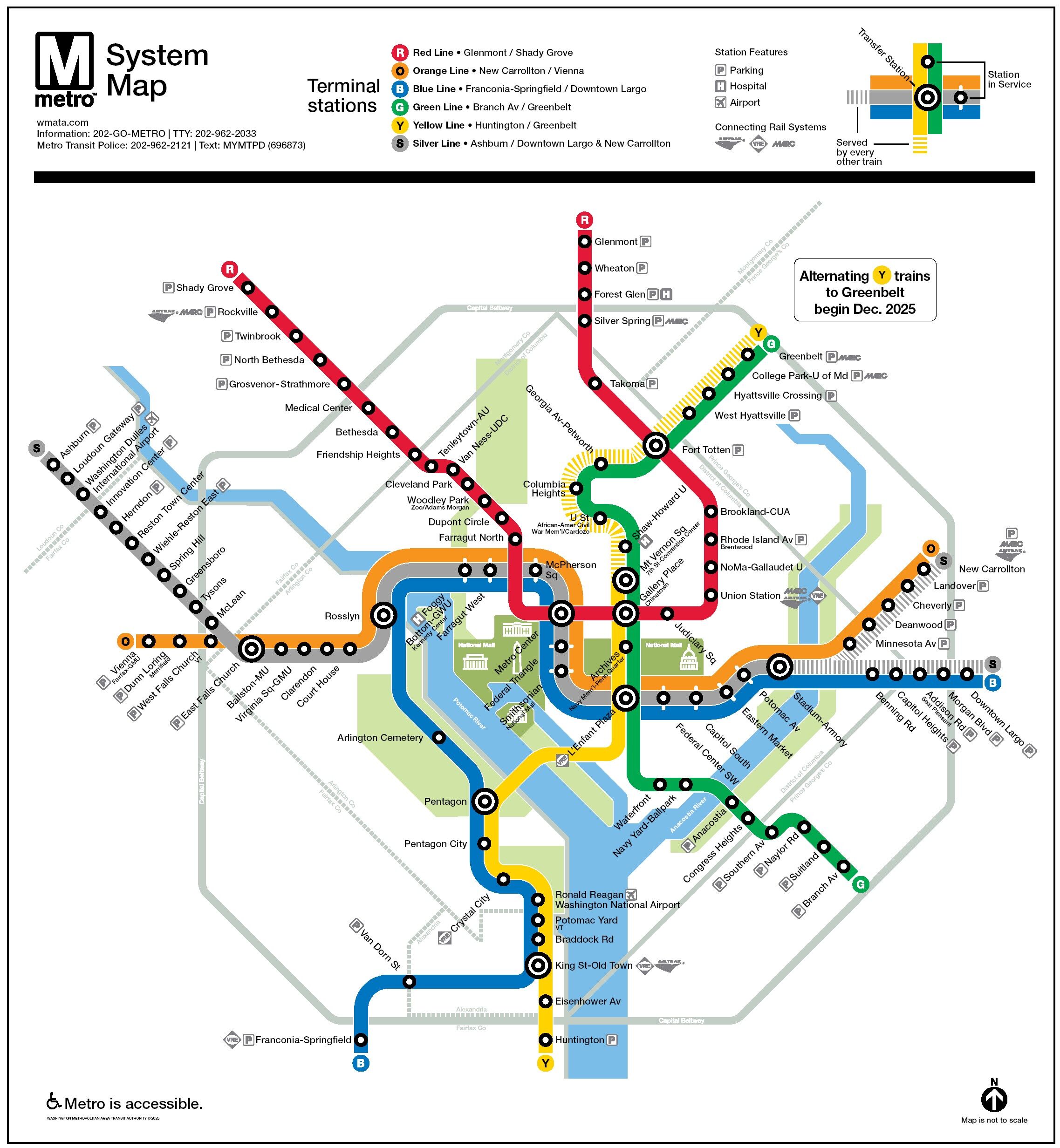
The metro uses colors as the main identifier for its lines, as opposed to other systems which use letters or names in conjunction with colors. The metro has six lines: the Red, Orange, Silver, Green, Blue, and Yellow. With a seventh connector Purple light-rail line coming soon.
Maps
The metro’s maps are great. They uniquely convey just enough information about the surrounding geography in addition to the actual train lines to allow any rider to easily orient themselves in the DMV area.
Some instantly recognizable landmarks accomplish this task, including the beltway, iconic monuments like the Washington, Lincoln, and Jefferson, and the Potomac and Anacostia rivers.
I especially love the tidbit at the top right of this map below that explains how stations/connecting stations are represented on the map.
Signs
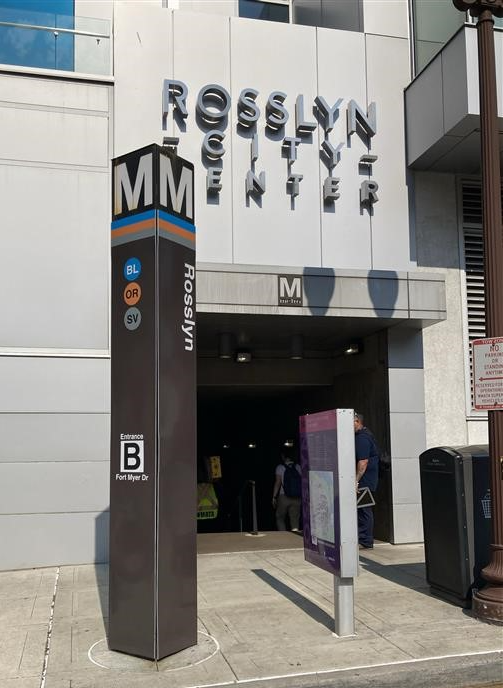
The metro’s signs are also a really important part of its stations.
Most stations in the network, like this one in Rosslyn, feature these minimal, obelisk-style sign posts which simply indicate the trains serving that station.
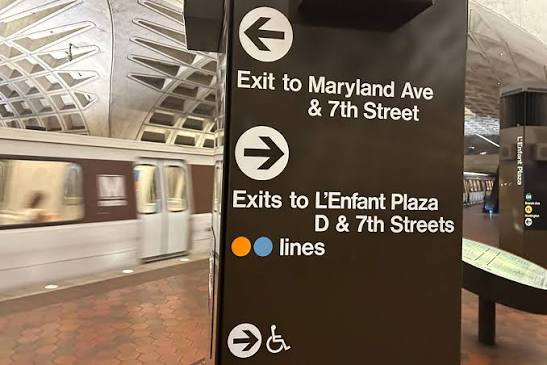
The inside of stations also feature these obelisks. They indicate where things are in the stations and where to exit.
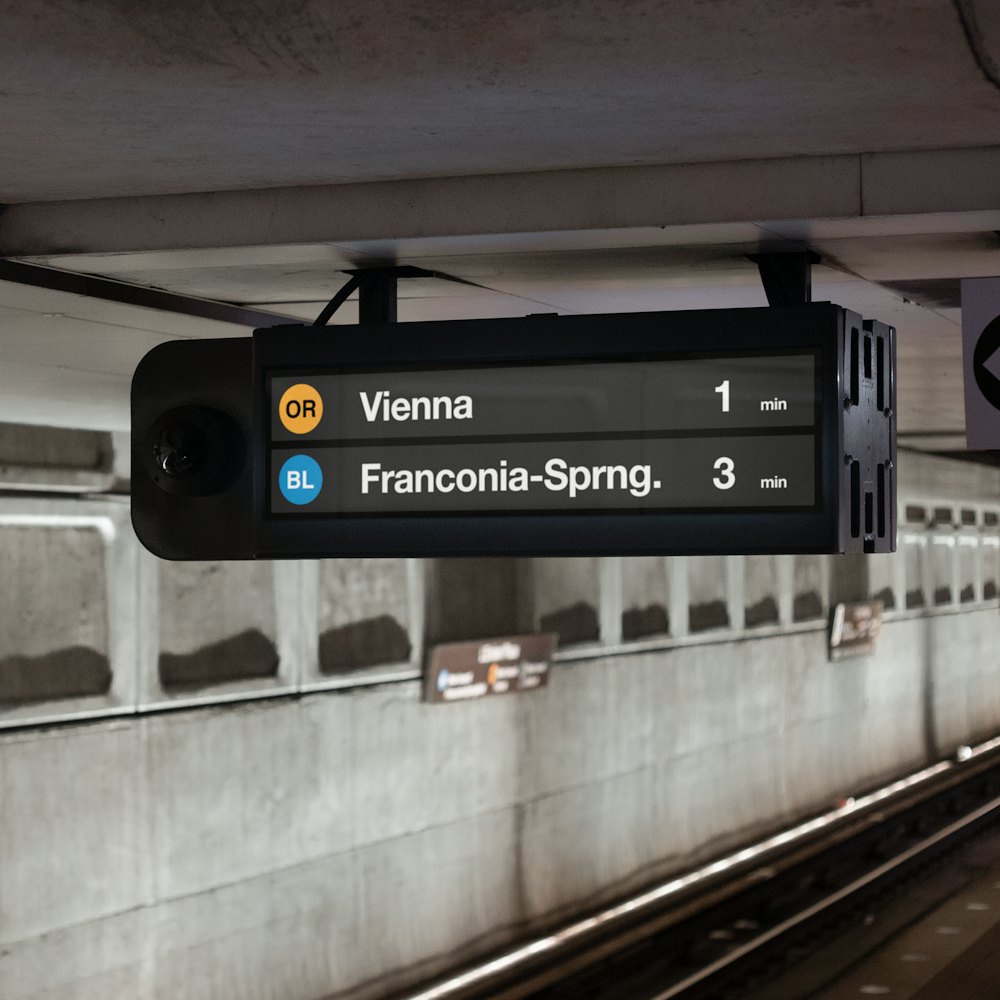
Some stations have fully digital departure signs while others have more scoreboard-style LED matrix signs.
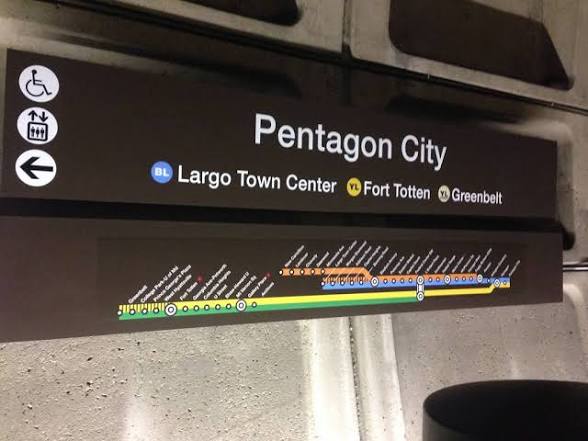
Another type of sign I absolutely love in the DC metro is the sign behind the tracks that shows the stops of lines using that track and where those lines terminate. They allow riders to quickly understand which track they need to catch a train on.
Like this one at Pentagon city, this sign clearly indicates that this track has the following:
The Blue line heading toward Largo Town Center station in Maryland
The Yellow Line heading toward Fort Totten station in DC and alternatively the Yellow line heading toward Greenbelt station in Maryland
Above Ground Stations
Most of the stations in my area are above ground so I’m going to talk about them in their own section.
Catwalks
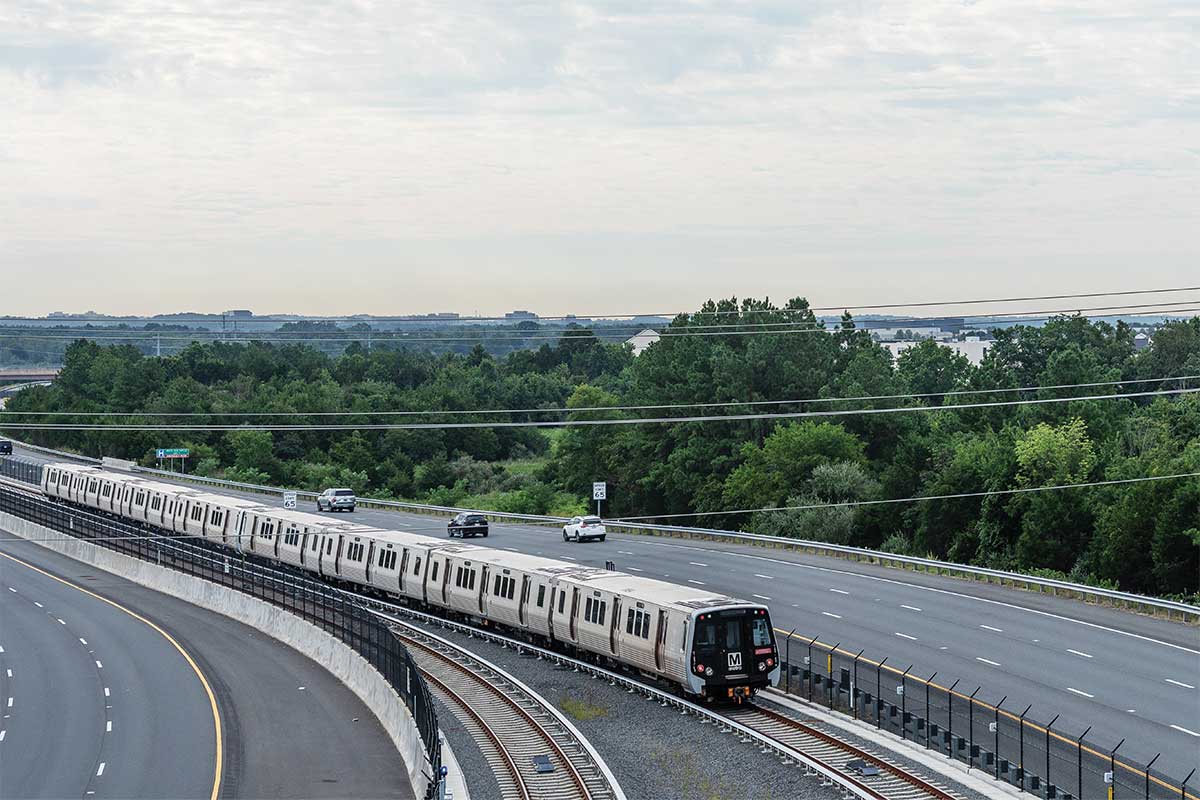
Since most of the above ground metro stations in my area reside in the median of highways, they have to efficiently and safely get riders to and from the median of the highway. A super cool way the metro does this is catwalks.
These bridges take pedestrians from what are usually big parking garages or lots to the median of the highway where they can catch the train.
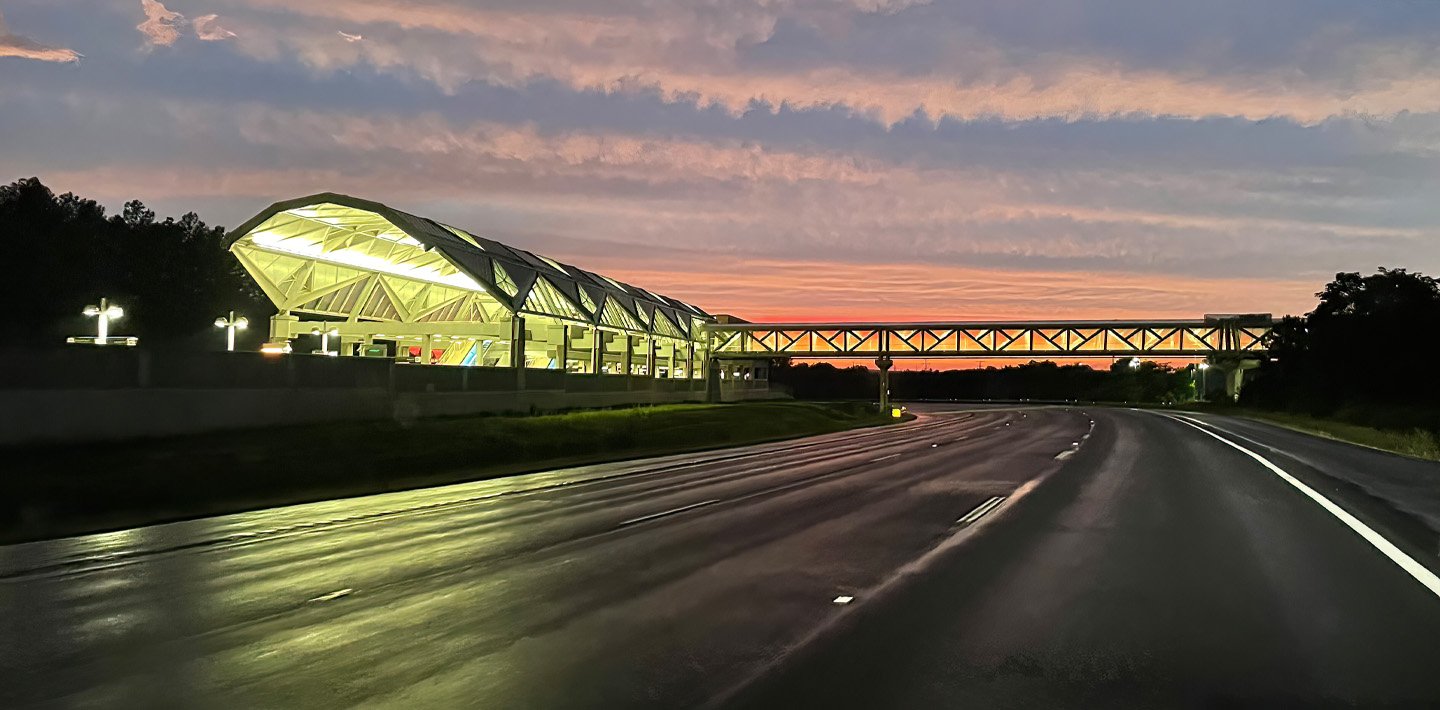
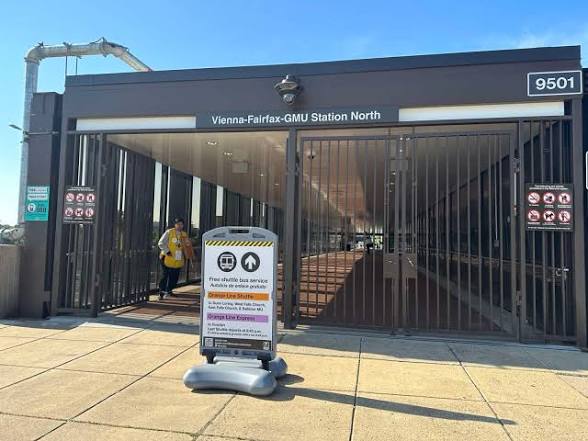
Here’s an entrance to another catwalk at the Vienna station.
Recessed tracks
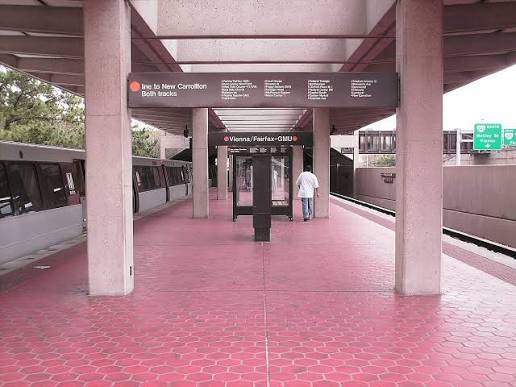
Something that above ground stations do well in the highway median is not allowing you to notice that you’re in the center of a major highway in a major metropolitan area.
The tracks feel almost sunken into the ground with the concrete walls behind the tracks and while you can still see some highway stuff like signs and maybe some tall vehicles, it’s mostly hidden. Take a look at the right side of this picture of the Vienna station below to see what I’m talking about.
Train Interior
Another thing that makes the metro great is the newer rolling stock in the system.
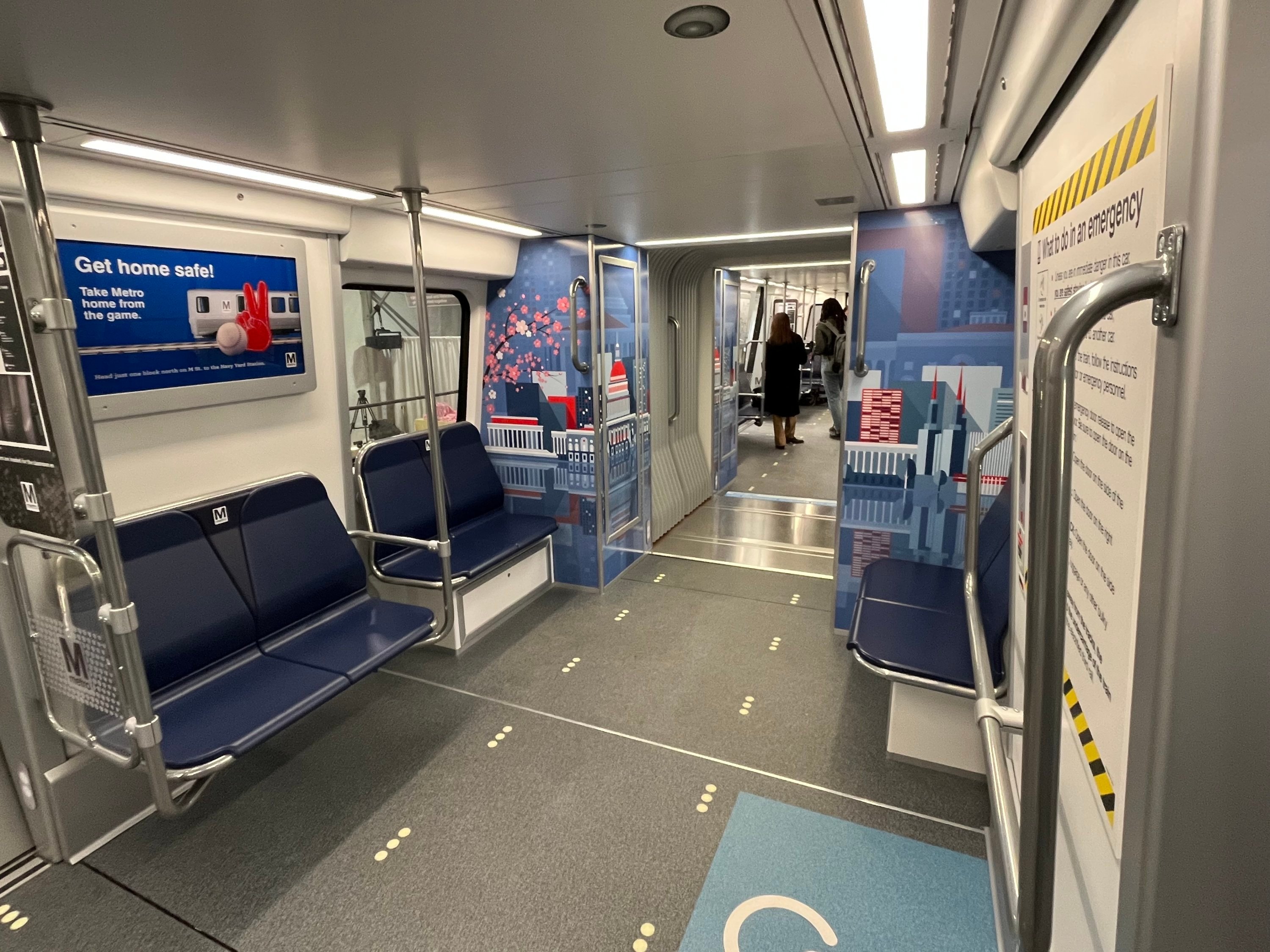
The newer rolling stock features very open and well lit interiors with comfortable seating.
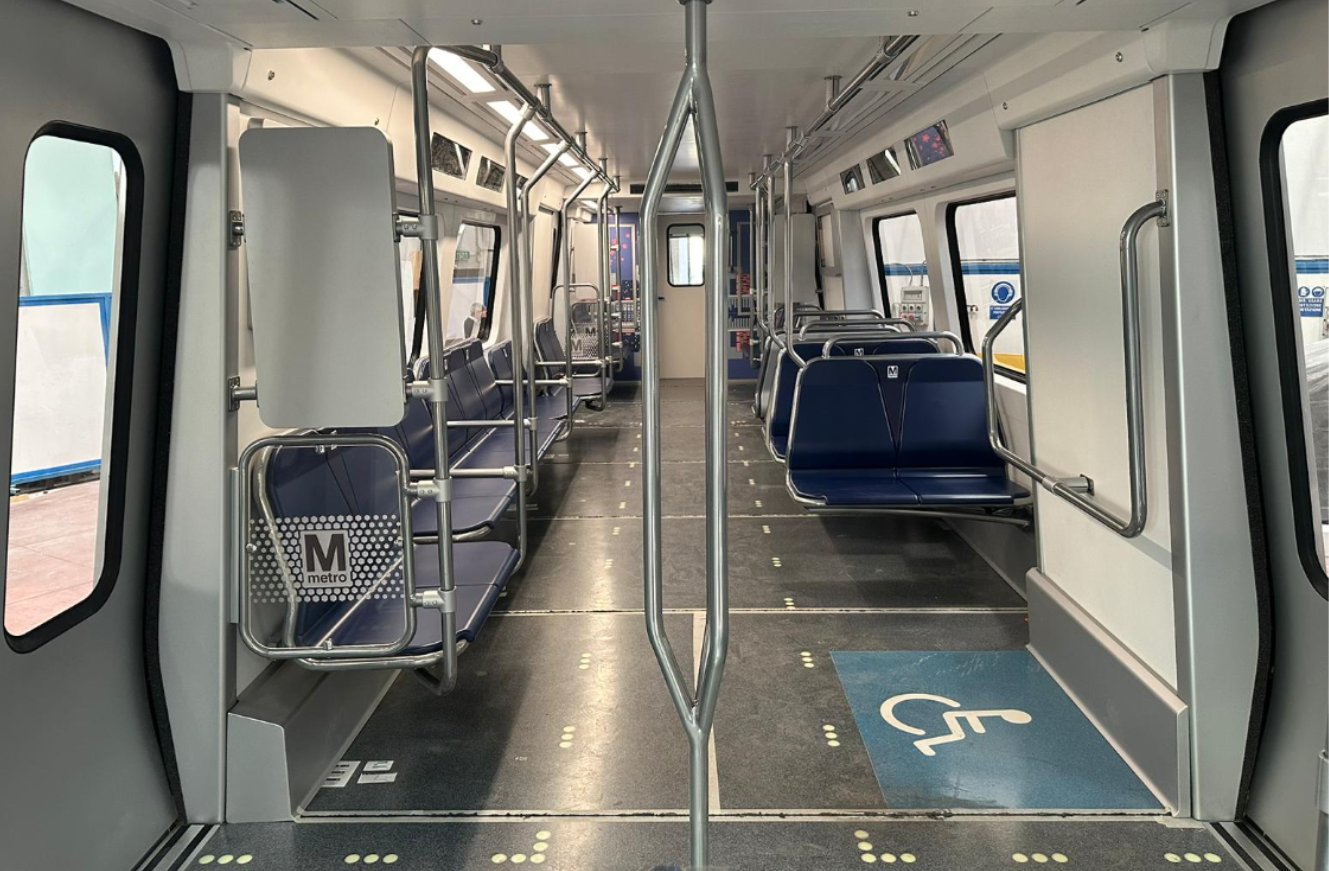
Some of the newest trains even feature open gangways! An awesome transit feature I first experienced in London.
Thanks for reading! I love thinking about what makes transit great and how it can be better. Look for the next article in this series soon!
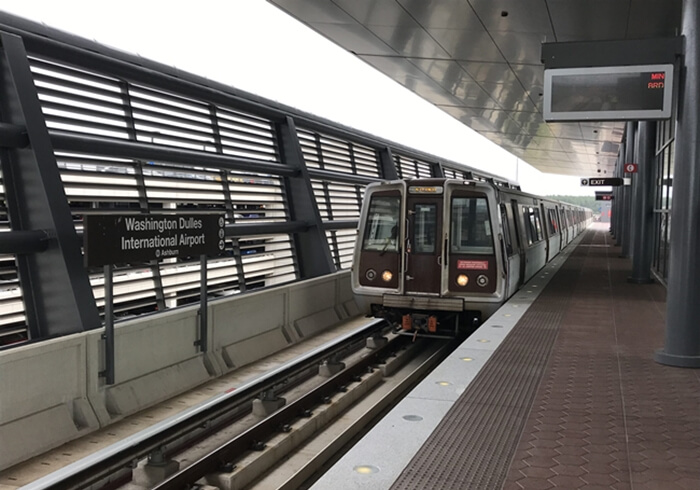
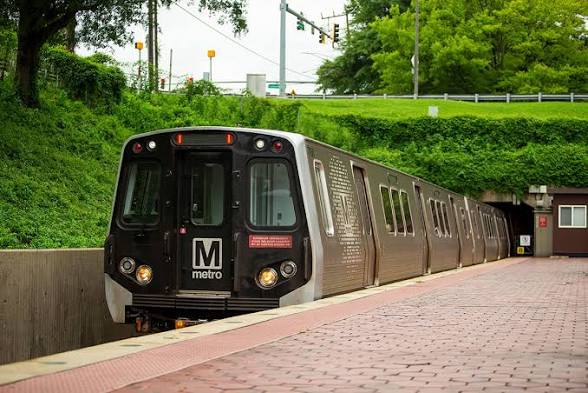
Here are some awesome Metro photos I found while writing this article: